
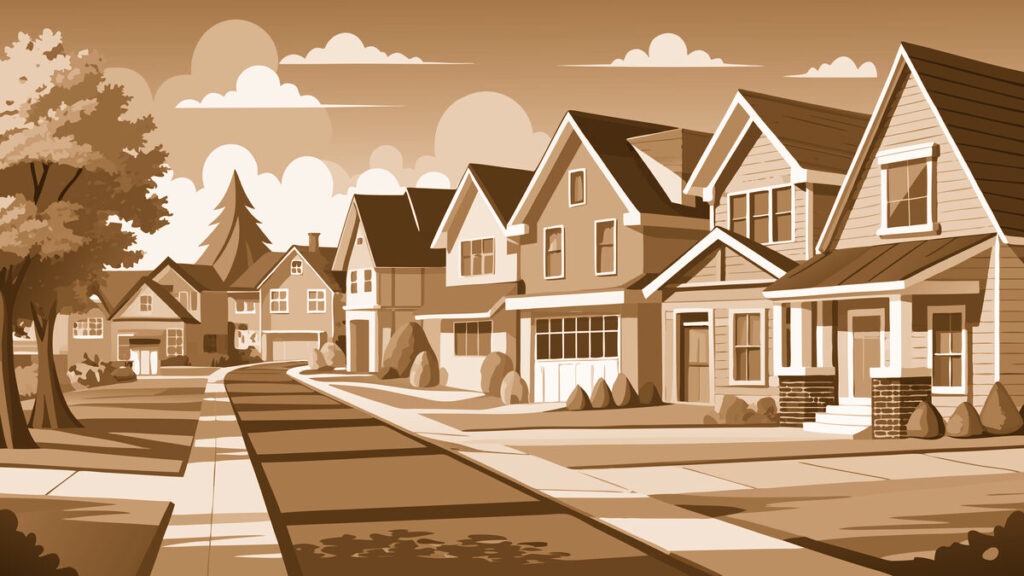
A Neighborhood Rooted in History
Nestled just southwest of downtown Norfolk, Brambleton is a community where stories of resilience, growth, and neighborly pride have thrived for generations. Stroll along Brambleton Avenue or through its welcoming residential blocks and you’ll feel it—a sense of place that’s deeply tied to both the city’s past and its unfolding future.
Origins and the Meaning Behind Brambleton
Brambleton traces its roots to the late 19th and early 20th centuries, a time when Norfolk was expanding rapidly as one of the region’s maritime and rail centers. Its name, evocative of wild bramble bushes that once dotted the area, reflects its rural beginnings before city life took hold. Early maps show the land as mostly fields on the cusp of urban transformation. Brambleton Avenue, now a bustling thoroughfare, was once a key route connecting outlying farmlands to Norfolk’s downtown markets.
The emergence of Brambleton as a distinct neighborhood coincided with the city’s efforts to expand outside the historic core. Its streets began taking shape as streetcars and rail lines provided new links to jobs and commerce, encouraging the development of homes and businesses through the early and mid-1900s.
Milestones That Shaped Brambleton
Brambleton’s story is one of adaptation. The neighborhood witnessed waves of change that mirror the city itself:
- Early 20th Century Boom: As Norfolk’s port flourished, Brambleton grew into a desirable area for workers and their families. Modest bungalows and Victorian-era homes sprang up along streets like Park Avenue and Chapel Street, their wide porches and sturdy facades embodying the era’s architectural style.
- The Rise of Institutions: Institutions like First Baptist Church, centrally located on Bute Street just off Brambleton Avenue, provided both spiritual guidance and community cohesion, solidifying the neighborhood’s identity during times of change.
- Civil Rights and Community Resilience: Brambleton also played a significant role in Norfolk’s Civil Rights era. The integration of nearby schools and public spaces—especially Booker T. Washington High School on Park Avenue—became symbols of progress and resilience. Brambleton’s diversity has long been its strength, with residents coming together to better their community through both challenging and triumphant times.
- Infrastructure & Urban Renewal: The 1960s and 1970s saw major changes: the construction of new roadways, including the expansion of Brambleton Avenue and the development of the Midtown Tunnel, brought both challenges and opportunities. Some historic houses gave way to new apartment buildings, and civic efforts focused on revitalizing parks and recreation spaces.
Landmarks and Places That Tell the Tale
Every neighborhood has its iconic spots, and Brambleton is no exception. Among its most cherished:
- Booker T. Washington High School: Opened in 1911 and proudly standing today on Park Avenue, it’s not only one of Virginia’s oldest historically Black high schools but also a cultural cornerstone, with graduates who’ve made their marks across the city and beyond.
- First Baptist Church, Bute Street: An anchor of faith and activism, First Baptist has a rich history of civic engagement and continues to serve as a beacon for the area.
- The Brambleton Community Center: Located on Colley Avenue, the center’s programs echo the neighborhood’s tradition of coming together—whether for a youth league game, art classes, or spirited community meetings.
- Huntersville Park: Though just on the neighborhood’s edge, this green oasis on Goff Street is beloved by Brambleton residents and hosts everything from family gatherings to outdoor concerts. Its playgrounds and picnic spots are testament to the neighborhood’s family-friendly vibe.
Changing Times and Evolving Spirit
Today’s Brambleton is a blend of old and new. While some historic buildings have been thoughtfully restored, other sections reflect modern apartments and businesses. Newer institutions, such as the Hampton Roads Transit administrative headquarters on Brambleton Avenue, remind us of the neighborhood’s ongoing role as a crossroads in Norfolk’s urban story.
Walking through Brambleton, you’ll find:
- Eclectic Architecture: From classic American Foursquares to contemporary townhouses, each street offers a visual timeline of the area’s evolution.
- Thriving Small Businesses: Cafes, barbershops, and locally owned stores reflect the intense pride residents have in supporting their own.
- Memorials and Murals: Public art projects across Brambleton celebrate local heroes and promote a sense of hope for future generations.
The Brambleton Spirit
What truly sets Brambleton apart is its people: neighbors who take pride in their block, look out for one another, and keep traditions alive. Whether it’s a block party on Chapel Street, a Sunday service at First Baptist, or kids laughing in the spray park at Huntersville, Brambleton’s unique warmth is unmistakable.
If you take a moment to talk to a longtime resident, you’ll hear stories about iconic Fourth of July parades, legendary teachers from Booker T. Washington High, and the joys—and sorrows—of living in a place that wears its history proudly but never stops looking forward.
Looking Ahead
Brambleton today stands as a testament to endurance and renewal. As Norfolk continues to grow and change, Brambleton’s deeply rooted heritage, welcoming spirit, and vibrant community bonds ensure it remains one of the city’s most treasured neighborhoods—a place where history informs the present, and where every street tells a story.
Whether you’re attending a jazz concert at the community center, admiring the architecture along Bute Street, or just walking your dog through Huntersville Park, it’s hard not to feel that you’re part of a living legacy—one that’s as vital to Norfolk’s future as it has been to its past.